
Ireland’s housing crisis has become one of the country’s most pressing social issues. Rising rents, increasing house prices, and a shortage of affordable homes have left thousands of people struggling to find secure housing. Areas across Greater Dublin, including Dún Laoghaire, have experienced particularly high housing demand, resulting in increased pressure on social housing and longer waiting lists.
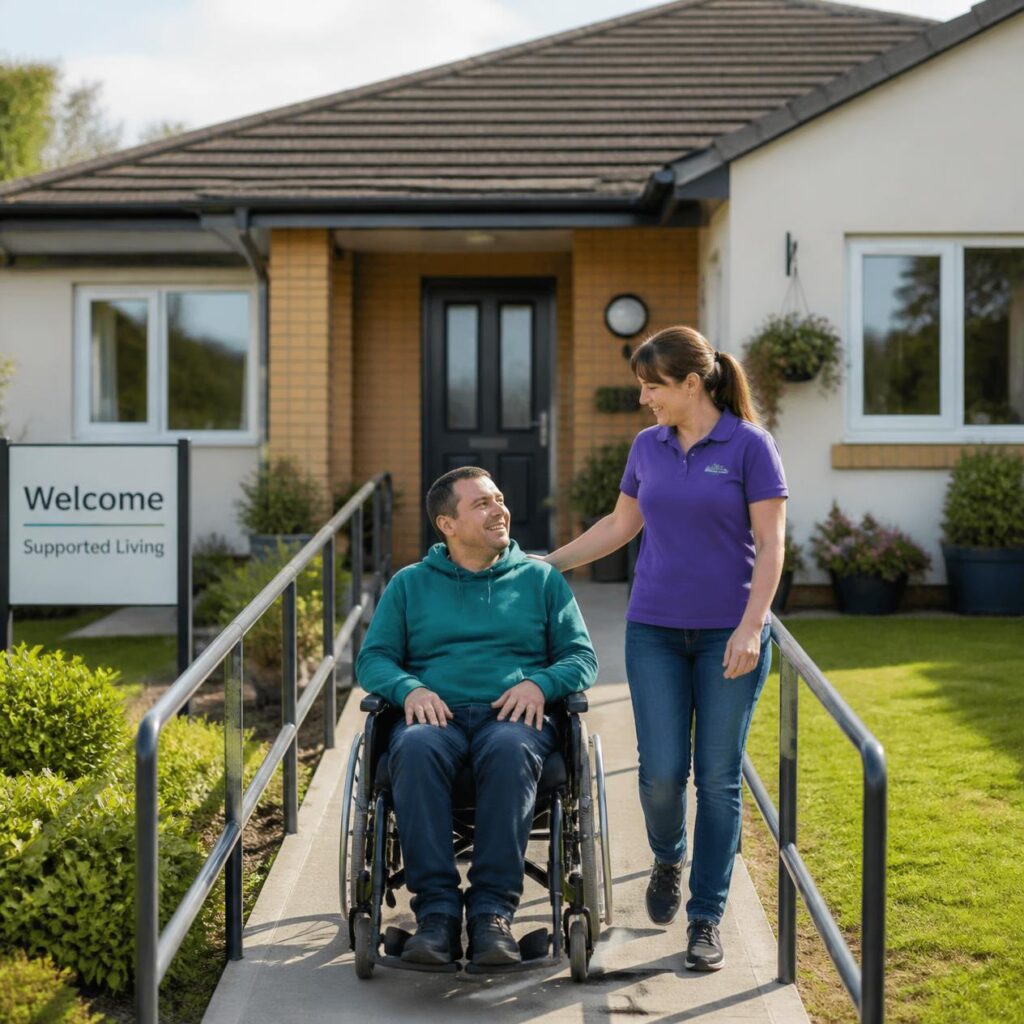
For people with intellectual disabilities, however, the housing crisis presents an even greater challenge. Beyond simply finding a home, many require housing that is accessible, appropriate, and tailored to their individual needs. Unfortunately, the supply of suitable social housing has not kept pace with this demand.
Housing Is a Human Right
Ireland has committed to protecting the rights of people with disabilities through the United Nations Convention on the Rights of Persons with Disabilities (UNCRPD). Under Articles 19 and 28 of the Convention, people with disabilities have the right to live independently, be included in their communities, and enjoy an adequate standard of living. These commitments place an obligation on Ireland to progressively improve access to appropriate housing and support services for people with disabilities.
Despite these commitments, many individuals with intellectual disabilities continue to face significant barriers to accessing suitable housing. The shortage of accessible and appropriate social housing means that independent living remains out of reach for many.
Families Are Carrying the Burden
The lack of suitable housing places enormous pressure on families, particularly ageing parents who continue to care for their adult children with intellectual disabilities. Across Ireland, many adults with intellectual disabilities still live with parents who are over the age of 70, leaving families deeply concerned about what will happen when they are no longer able to provide care and support.
This uncertainty has led to the formation of advocacy groups such as Before We Die, which campaign for better long-term housing and support planning. These organisations work to ensure that families can have confidence their loved ones will continue to receive appropriate care and housing throughout their lives.
Disability and Homelessness
The housing crisis also disproportionately affects people with disabilities. Census data show that approximately 27% of people experiencing homelessness reported having a disability, highlighting the strong relationship between disability and housing insecurity.
While it is essential that people with intellectual disabilities and their families understand how to apply for social housing and receive support throughout the application process, improving access to information alone is not enough. The most pressing challenge remains increasing the supply of accessible and appropriate housing that meets diverse support needs.
Local Action in Dún Laoghaire
Recognising these challenges, Dún Laoghaire-Rathdown County Council developed the Housing and Disability Strategic Plan 2021–2026. The plan aligns with the National Housing Strategy for Disabled People 2022–2027 and aims to improve access to appropriate housing while responding to the identified housing needs of people with disabilities.
The strategy promotes collaboration between housing authorities, disability service providers, and community organisations to create more inclusive housing options and improve long-term housing outcomes for people with disabilities.
Looking Ahead
Addressing Ireland’s housing crisis requires more than simply increasing the overall housing supply. It also requires ensuring that people with intellectual disabilities are not left behind. Accessible and appropriate housing should not be viewed as a specialist service but as an essential component of an inclusive society and a fundamental human right.
Although national and local government strategies represent important progress, more investment is needed to increase the availability of accessible social housing. At the same time, families need clear information, practical guidance, and ongoing support when navigating the social housing system.
By expanding the supply of suitable housing while making support services easier to access, Ireland can move closer to fulfilling its commitments under the UNCRPD and ensuring that every person has the opportunity to live safely, independently, and with dignity.